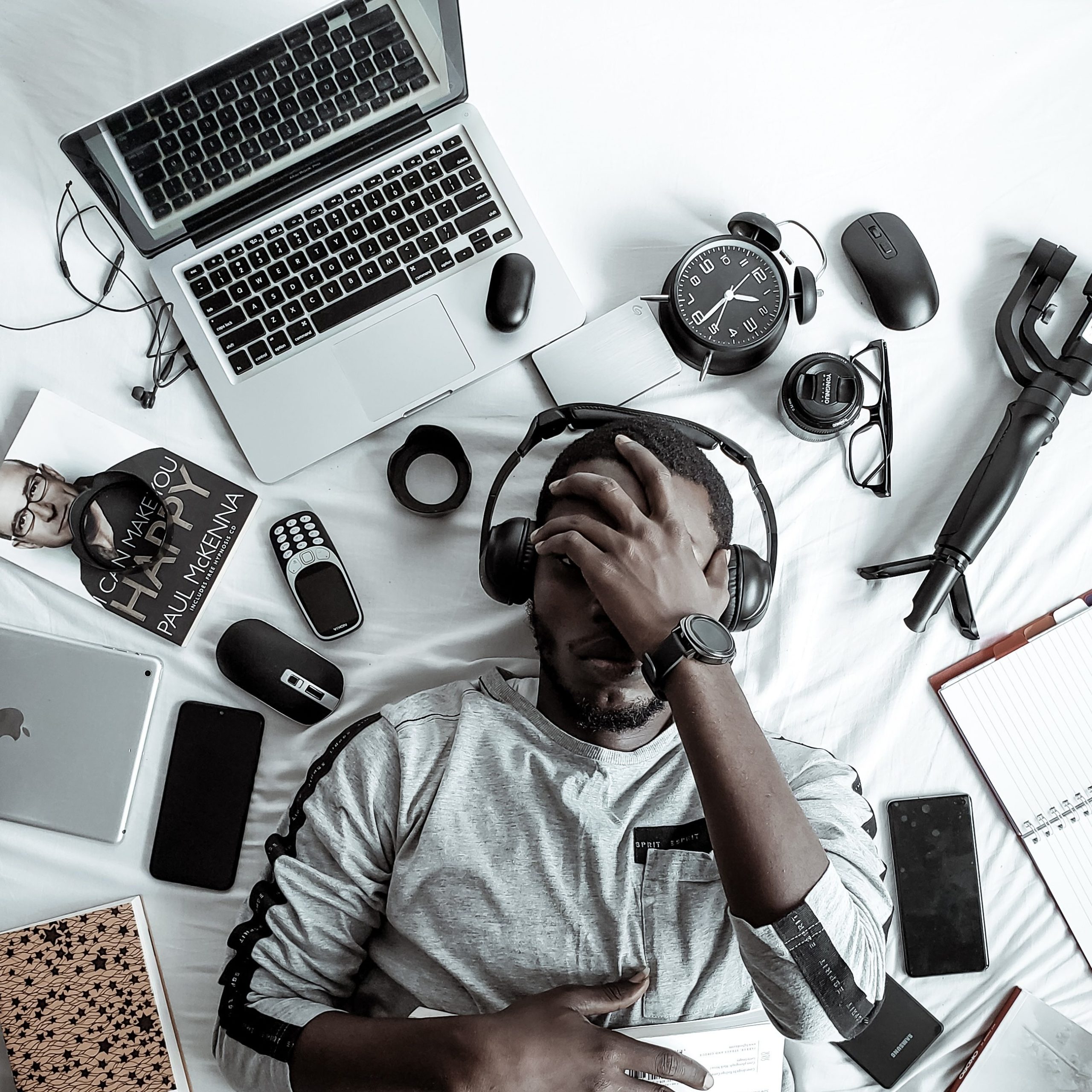
When re-writing this blog post, I thought a lot about my own relationship with technology, more specifically my phone, as it is the one piece of connection to the internet that is most pervasive.
As I thought about it, I realized my push and pull toward the ever-pervasive device. The function of a smart phone is held in apps. Some apps have genuinely added value and utility to my life, like Headspace, AllTrails, Mountain Project, and Maps. And some have genuinely added to hours and hours of wasted time in my life, like Facebook, Instagram, YouTube, and various games.
This, of course, is but my perspective. Each of us has to contend with our relationship with our phone. Though my relationship with these apps has been rocky, it has been noted with mindfulness. I ultimately came to the conclusion that social media and games don’t belong on my phone, but can belong on my computer, a device I approach much differently than the phone.
So, this post is all about that ever present question of where our phones, apps, other devices, and social media at large belong in our lives (according to those who built them).
“We’re training and conditioning a whole new generation of people that when we are uncomfortable or lonely or uncertain or afraid we have a digital pacifier for ourselves…”
– Tristan Harris, former Google design ethicist
“Even knowing how these tricks work, I’m still susceptible to them. I’ll still pick up the phone, and 20 minutes will disappear.”
– Jeff Seibert, former Twitter executive
I’m going to give us a challenge. One day this week, leave your phone and computer behind, turn it off, silence it, and simply note your pull towards picking it up.
If your first reaction to this challenge is: “There’s no way to do that, I have work, kids, priorities, responsibilities, and, and…”, then it’s probably a good time to think about how much freedom you have in your everyday life.
If your second reaction to this challenge is: “I can’t be away from my phone too long, what if there’s an emergency, what if someone needs to reach me, what if, what if…“, then I can assure you, people will dial 911 in a real emergency, not you. You’re not a 911 operator. And even if you are, you’re off work, go and enjoy the nearest park!
During your time away from your phone and all its apps, notice the way you feel when you don’t have access to your phone. Note them on good ole pen and paper.
Do you feel vulnerable and naked? Do you feel out of control for some reason? Do you constantly think about what you could be looking at or doing on your phone?
It’s important to note your experience without any judgment.
The idea here is to fill the time away from your phone with non-screen activities like exercise, walking, conversation, doodling, skydiving, reading, or hammocking.
I’ll admit it, I love my phone! The numerous apps help me with nearly everything: navigation, meditation, shopping, research, exercise, and calling people from around the world; all via a quick tap on a bubbly, colorful, addicting icon.
Our many black mirrors are dual-edged swords that can either be used as a tool or as a distraction.
And the apps behind that veil have been ingrained in our lives, transforming the way we interact and relate to one another as human beings.
Even our language has changed in accordance with the popular apps available today: “Can you call an Uber?” or “Let’s find an Airbnb!”
The way we approach these apps changes how we interact with them, and how we interact with them changes our experience throughout our day.
Side Note: I was reading Kurt Vonnegut’s A Man Without a Country, which he wrote at 84 years old (surprising given he was a chain smoker and should have died around age 64) and in which he encourages real-world activity and human connection over staying in electronic spaces.
“Electronic communities build nothing.”
“We are dancing animals.”
“get up and go out”
I highly recommend you read Kurt Vonnegut, it will change your life.
Okay, back to the topic, and the utterly important question in life: “Why?”
Why do we look, listen, and create what we do through these apps?
Why do we pick up our phones as soon as we wake up, instead of having a phone-less morning? (I highly recommend a phone-less morning for no less than a week.)
Why do we also stay up way later than we intended to, staring at a bright rectangle, insisting we will go to sleep in just five more minutes? (I’m convinced YouTube is the black hole at the center of the digital universe.)
Remember, mindfulness is the deliberate act of noticing the present moment in an open and kind way, without judgment or criticism.
Some carefully developed apps can actually encourage us to be more connected, like FaceTime, Journal, Insight Timer, TED, BetterHelp, and Sleep Cycle (which I use almost every day).
Other apps are infamous for taking us away from the present moment, like Facebook’s newsfeed or TikTok’s infinite scrolling.
Being part of a generation where apps have made as much of an impact as books did on the previous generation feels strange, like experiencing a shift in culture.
Because our phones have real power to change every aspect of our lives, time spent away from that power can help us understand it much better.
Thank you so much for reading or listening to this post! If you found any value in it, you can consider Buying Me A Coffee.
Three More Things:
Leave a comment!